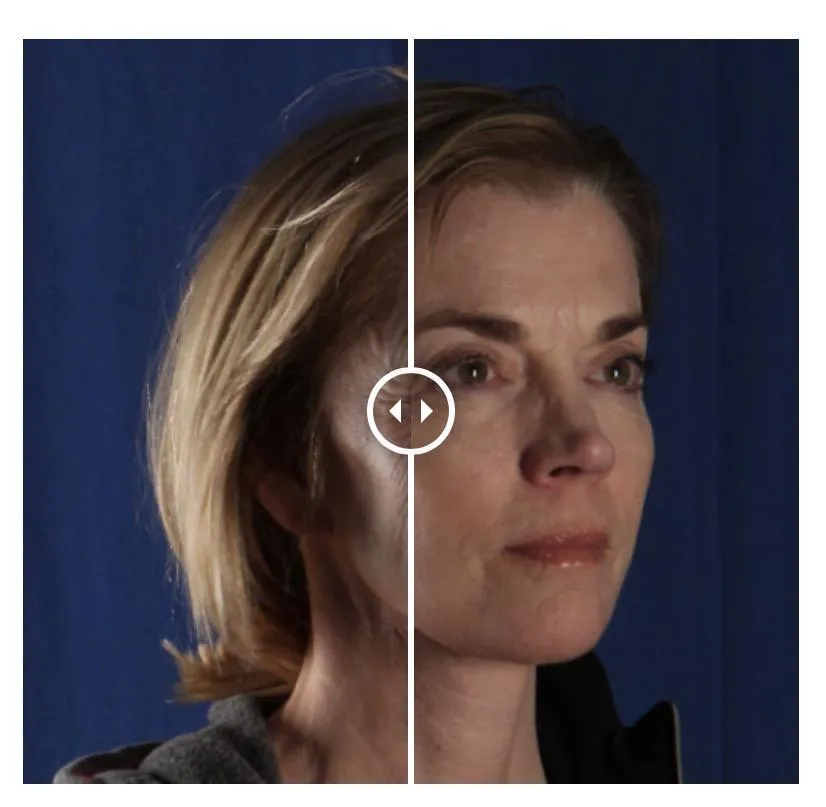
Everything You Need to Know About Facelifts - Part 2 - Beauty and the Surgeon Episode 156
For more information, check out our podcast, Beauty and the Surgeon. Episodes 155 and 156 cover everything you need to know about facelifts.
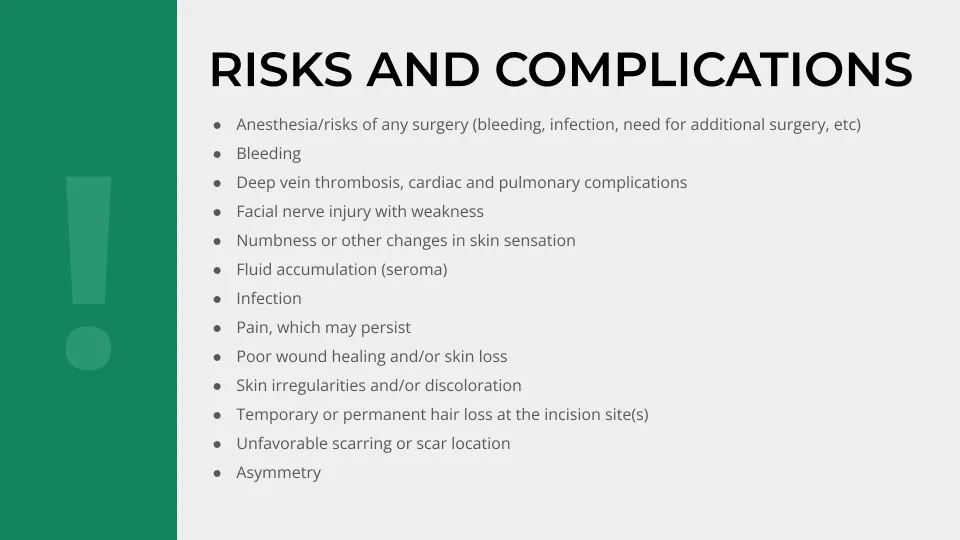
Anytime you hear the word surgery, your brain jumps straight to: “What can go wrong?” That’s completely normal — and honestly, it’s smart. Understanding facelift risks and complications is part of making a confident, informed decision, not a reason to panic.
When we consent you for facelift surgery, you’ll see a multi-page document from the American Board of Plastic Surgery. Most of it covers risks of any surgery; only a small portion is specific to facelifts. Let’s break all of that down into something more practical and a little less overwhelming.
The “Every Surgery Everywhere” Risks
These come with any operation, whether it’s a facelift or a hernia repair:
-
*Bleeding*
-
*Infection*
-
*Need for additional surgery*
-
*Risks of anesthesia*
These are the “standard” surgical risks you’ll see on every consent form. The good news? In healthy patients at an accredited facility with a board-certified plastic surgeon and anesthesia team, serious complications are extremely infrequent — but we take them very seriously.
Bleeding and Hematoma: Why We Obsess Over Blood Pressure
Bleeding is one of the more specific facelift risks we closely monitor.
During a facelift, we’re working in a “raw” soft-tissue space under the skin. Even if we meticulously control bleeding during surgery, problems can happen afterward if:
-
Blood pressure spikes
-
Pain isn’t well-controlled
-
You strain, bend, or are too active too soon
That’s why we’re so fussy about keeping you relaxed, comfortable, and with your blood pressure in a healthy range immediately after surgery. Many of our facelift patients stay overnight so we can:
-
Monitor blood pressure
-
Give IV pain medication
-
Catch any issues *early*
Older patients often have borderline or high blood pressure to begin with, so we manage this proactively. Our goal: keep that systolic (top number) from shooting up and causing bleeding or a hematoma (a collection of blood under the skin).
Nerves and Numbness: What’s Expected vs. Concerning
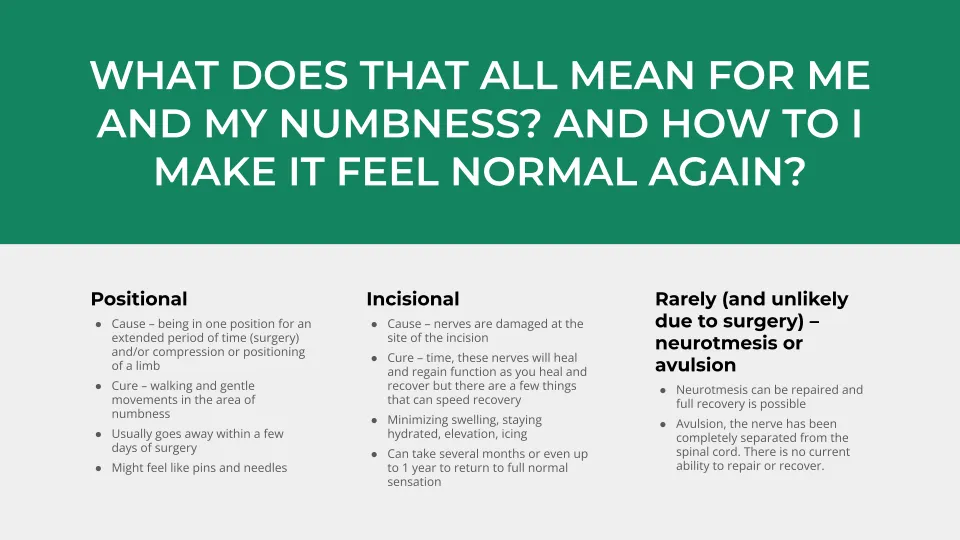
There are two main nerve-related issues we talk about:
-
*Temporary numbness or a strange sensation*
-
This is expected after a facelift.
-
You’ve had skin lifted, nerves stretched, numbing medicine injected, and a normal healing response.
-
Tingling, weird “fullness,” or numb patches can last weeks to months, sometimes up to a year before fully settling.
-
-
*Facial muscle weakness (motor nerve injury)*
-
This is the rare, more serious one people worry about.
-
In experienced, facelift-focused hands, permanent injury is extremely uncommon — but it’s still a real risk you should know about.
-
We always go over these possibilities in detail before surgery so you’re informed, not blindsided.
Bruising, Swelling, and Pain: The “Normal but Annoying” Stuff
Let’s be honest: bruising is inevitable with facelift surgery. It can:
-
Be mild or dramatic
-
Last a week… or longer than a month in some people
Swelling follows a similar pattern — there’s no “one-size” timeline for how quickly your body clears it.
As for pain, most patients are pleasantly surprised:
-
Facelift discomfort is usually described as “tight,” “sore,” or “tender around the ears” rather than sharp pain.
-
Some patients worry if they will still feel discomfort at 3 days or 3 weeks — but that’s usually normal healing.
-
Our rule of thumb: if something worries you, we’d rather you call than quietly stress about it.
Healing, Skin, Hair, and Scars
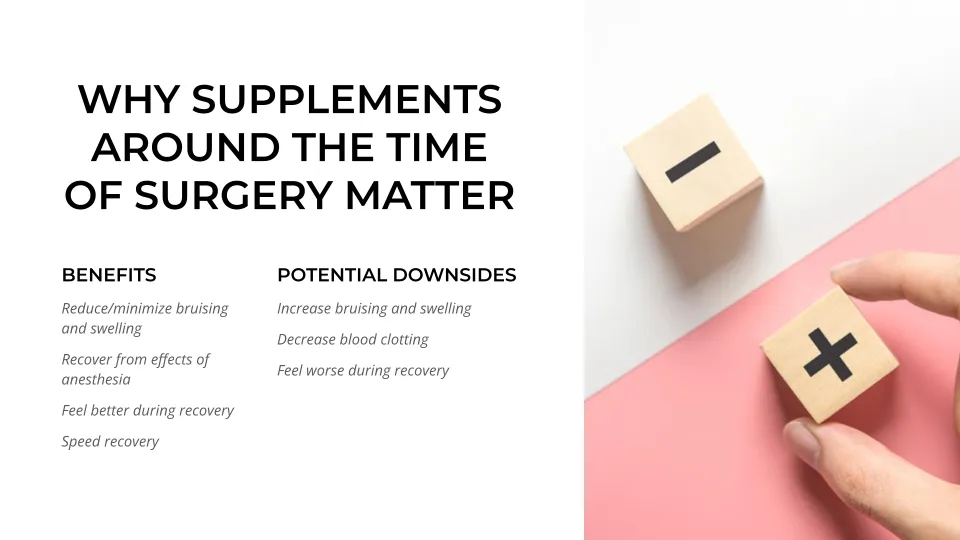
Even in very healthy people, healing is not a perfectly predictable science. Risks include:
-
*Delayed wound healing or small areas of skin loss*
-
More likely in smokers, poorly controlled diabetics, or patients with untreated high blood pressure or infection.
-
Usually manageable, but it can temporarily affect scar quality or skin color.
-
-
*Persistent discoloration or “shadowy” bruising*
-
Some stubborn bruises can leave a hazy tint for a while.
-
We often use topical vitamin K cream and other strategies to help clear this.
-
-
*Temporary hair issues*
-
We do not shave your head, but we do trim small sections of hair around incisions.
-
The first hair wash can look dramatic — you’ll see cut hairs shedding — but the roots are intact, and the hair grows back.
-
-
*Unfavorable scarring or poor scar placement*
-
In proficient hands, facelift scars are planned to hide along natural creases and hairlines.
-
Long-term, they should be very hard to spot.
-
Scar problems are usually either healing-related or technique-related — which is why choosing a skilled, facelift-experienced surgeon matters so much.
-

Asymmetry: You Had It Before, You Notice It After
No human face is perfectly symmetrical. After a facelift, you may suddenly notice:
-
One side of your jawline was always a little fuller
-
One ear sits slightly higher
-
One cheekbone pops more than the other
Often, this was there before surgery — you’re just looking more closely now. Pre-op photos are incredibly helpful for showing you where we started and what’s truly “new” versus “newly noticed.”
The Bottom Line: Real Risks, Real Safety, Real Talk
Every facelift has risks. Every surgery has unknowns. The key is minimizing those risks with preparation, experience, and honest communication.
As a facelift-focused, board-certified plastic surgery practice, we:
-
Screen carefully to make sure you’re a good candidate
-
Optimize blood pressure and health before and after surgery
-
Use precise techniques designed to protect nerves and minimize tension on the skin
-
Follow you closely through recovery so small issues stay small
If you’re considering facelift surgery and want a clear, honest discussion of your personal risk profile, we’d be glad to meet you. Schedule a consultation, and we’ll review your medical history, anatomy, and goals — and help you decide whether a facelift is the right, safe, and confidence-building step for you.